

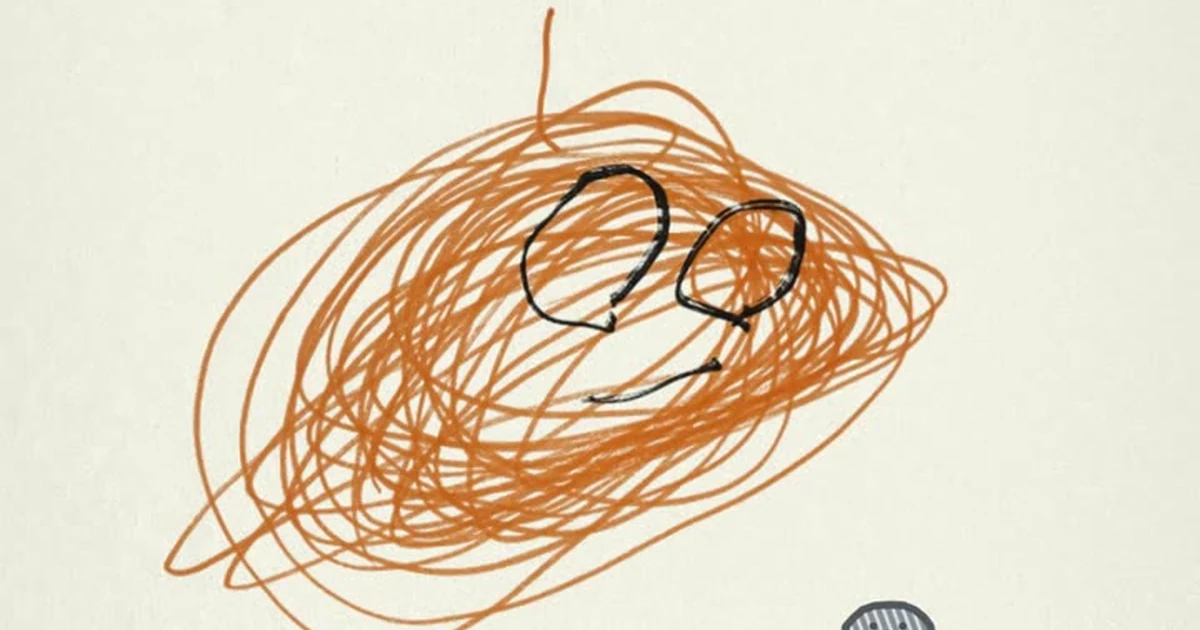
Every parent has a drawer of drawings. A dragon with seven legs, a cat called something unpronounceable, a family portrait where everyone is the same height as the house. The kids who drew them can tell you exactly who these characters are and what they are about to do. Nobody else ever finds out.
That drawer is why we built Scriblive. A parent photographs a child's drawing, adds a sentence about what happens, and gets back a 45-second cartoon episode starring the child's own characters, usually in under an hour. We launched in October 2026, and within the first weeks families were ordering in English, Polish, Ukrainian and Russian.
We are a localization company, so you would expect the languages to be the easy part. They were not. Here is what a product for children taught us about localization that years of B2B work had not.
1. Children are the hardest reviewers you will ever have
An adult forgives a stiff sentence in an app. A six-year-old hears a narrator mispronounce her cat's name and the whole cartoon is ruined. Every episode is narrated, so the "text" we localize is mostly speech: short, spoken, rhythmic lines that have to sound like a person telling a story at bedtime. We write the script for the ear first and check it read aloud, not on the screen.
2. One word can carry the whole product
In Polish, the obvious verb for "bring a drawing to life" is ożywić. It is also the word for reviving someone, and in some contexts it sounds like resuscitation. Our Polish voice uses kreskówka (cartoon) and plain verbs instead, and the style guide says so in the first line. Russian had the same trap with оживить. Neither problem would show up in a glossary review; both show up the moment a parent reads the button.
3. Address the parent, but write for the child
Our customers are parents, but the product is for kids. In Polish that meant informal Ty imperatives everywhere and no gendered past tense, because we never know who is reading. In Ukrainian it meant writing natively, never adapting the Russian copy, and keeping the two markets completely separate. Every language has its own style guide, uploaded before every translation job, and the translation memory comes back after each one.
4. Ship first, review in place
A new language goes live as soon as the translation is done, and native review happens on the live site, with fixes shipped as updates. For a young product that beats waiting weeks for perfect copy: real use shows which phrases matter, and fixing a live string takes minutes.
5. Localize the examples, not just the interface
The strongest part of the site is the example cartoons. A Polish parent who watches an English example still is not sure the product works in Polish. So every language got its own example episodes, made from scratch in that language, not dubbed. It was the most expensive part of each launch, and the one we would do first again.
What's next
Right now we are working with parents and creators in the US and the UK ahead of Christmas, where a cartoon made from a child's own drawing turns out to be a very good last-minute gift: nothing to ship, ready in an hour.
If you have a drawer of drawings at home, try it with one of them at scriblive.com.

































 QACAT
 AI Video Studio
 Localize.io