
What began as a small creative decision can become a cross-functional production problem. That is why culturalization works best when it begins early—not to slow creative development or add an approval layer to every idea, but to identify cultural, historical, geopolitical, or representational risks while you still have multiple ways to respond.
Early culturalization gives you more options. Late culturalization often gives you fewer. This companion to Game Culturalization: How to Design for Global Audiences Without Losing Your Creative Vision draws on the Beyond Localization conversation between culturalization strategist Kate Edwards (CEO, Geogrify) and Nadzeya Drahun, Customer Success Manager, Alconost. For how the two disciplines differ in scope, see localization vs. culturalization.
Why should culturalization start early?
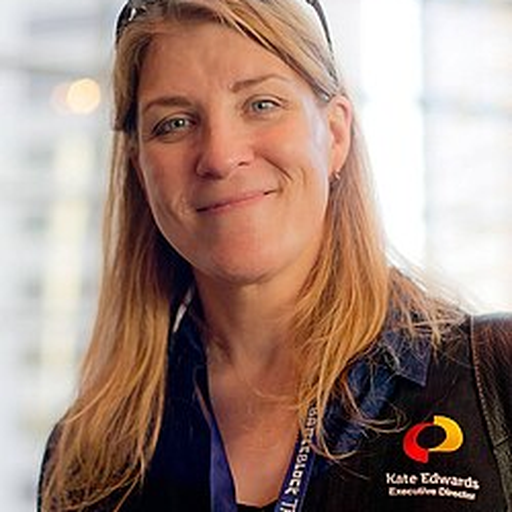
Cultural review is most useful while teams are still building the world, characters, factions, visual language, and narrative. In this short video, Kate Edwards explains why identifying cultural issues at the beginning can save money, reduce frustration, and prevent late-stage panic.
With culturalization, you have to start early—at the beginning. You can't treat it like another thing you get to later. It saves a lot of money, a lot of frustration, and a lot of the panic that happens when issues surface late.
Cultural problems are often embedded in assets, not text
Some localization issues are relatively easy to correct late: a subtitle, a UI label, a term replaced across languages. Culturalization issues can be different. They often live in principal character design, architecture, level design, costumes, maps, symbols, religious imagery, historical representation, faction identities, audio, and narrative structure.
Once those elements are implemented, changes can affect multiple departments. Kate makes this distinction clearly: text-level problems can sometimes be easier to correct, while changing a major character, piece of architecture, or fundamental level element can become much more complicated—and expensive. That is the production case for starting early.
Early culturalization does not mean freezing creativity
Starting culturalization early does not mean approving every detail before development. It means bringing cultural expertise in while important decisions are still fluid—early scripts, concept art, mood boards, character sketches, worldbuilding documents, story outlines, faction descriptions, map concepts, and initial gameplay ideas.
The specialist helps you identify where deeper review may be useful. Not every element needs intervention. Kate describes many issues as relatively surgical rather than something that requires changing the entire game. The goal is rarely “stop this idea.” It is more often: this idea may create a problem in this market—here is why, and here are the options.
Culturalization is most valuable while choices are still cheap
Consider a fictional military faction. At concept stage you select a symbol, uniform, color palette, architecture, and naming system. A cultural review finds that the symbol closely resembles politically sensitive real-world imagery in one important market. At this stage you can modify the shape, change the motif, reconsider the reference, keep the concept but document the risk, or create a regional variant.
Now imagine finding the same issue after production. The symbol may already exist on character textures, vehicles, flags, buildings, weapons, menus, loading screens, cinematics, and marketing materials. Changing it becomes a production task rather than a design decision. That difference is the real cost of late culturalization—and why catching issues early protects your budget and schedule.
Start with the world itself
Kate describes culturalization as especially useful when she can participate while teams are still deciding what kind of world they are building:
- Who lives here?
- Is the setting real, fictional, or hybrid—and which cultures inspire it?
- Which factions, religions, political systems, or economies need defining early?
- Are real-world conflicts being used as allegory?
- Which regions matter for launch?
These questions may seem broader than cultural review. That is precisely the point: culture is embedded in worldbuilding.
Review real-world inspiration before it becomes visual language
Game teams frequently begin with familiar references—architectural traditions, traditional clothing, historical weaponry, religious symbols, military imagery, regional landscapes, political iconography. Narrative designers may draw from historical conflicts, religious stories, social hierarchies, real ethnic groups, colonial history, or regional tensions.
None of this is automatically problematic. Real-world inspiration is a normal part of creative work. But the earlier you understand what those references mean, the easier it is to decide how closely they should be reproduced—before they harden into art direction.
Define whether you are replicating or inventing
One important early question: are you trying to represent a real culture accurately, or creating a fictional culture inspired by it? Those are different creative goals.
If you are representing a real culture, the project may need historical research, regional expertise, native-language specialists, cultural consultants, community input, and care with clothing, accents, architecture, and historical context.
If you are creating a fictional culture, ask which real-world references are visible, whether they are too direct, whether the culture is becoming a stereotype of one real group, whether unrelated elements are mixed together, and whether the setting has enough internal logic of its own.
Kate refers to creating enough allegorical distance between a real-world inspiration and a fictional culture when direct replication is not the goal. That distance is much easier to create during early worldbuilding than after the world has been fully produced. For more on why fantasy and sci-fi are not culture-free, see why fictional game worlds still carry real-world cultural assumptions.
Review principal characters, symbols, maps, and settings early
Principal characters are expensive assets—concept design, modeling, rigging, animation, voice casting, dialogue, cinematics, key art, and merchandise. If a culturally sensitive problem is embedded in a main character, a late change may affect nearly every part of production. Ask whether the design relies on stereotypes, borrows clothing from a real tradition carelessly, creates unintended name associations, mixes cultural features without intent, or resembles politically or religiously sensitive imagery. These questions do not require you to avoid strong cultural references; they help you use them intentionally.
Symbols are deceptively small. Once approved on a faction emblem, uniform, door, weapon, flag, or logo, they can propagate throughout the game—and carry religious, political, historical, military, national, or regional meaning. A mark that looks abstract to one team may be instantly recognizable to players elsewhere. Early review catches this before the design becomes part of the game’s identity.
Maps and geography can introduce cultural and geopolitical issues that have nothing to do with dialogue: borders, place names, disputed territories, implied national claims, and fictional layouts that resemble contested areas. Those choices can affect market perception, publishing, marketing, platform review, and legal conversations. Treat the map as more than decoration.
Historical settings need more than visual references. Kate’s discussion of Indiana Jones and the Great Circle illustrates the point: recreating the Giza Plateau meant considering not just what the place looks like, but the specific historical period of the story. Even fictional hieroglyphic content needed enough context to determine what writing and visual treatment made sense for the era. A visually accurate object can still be wrong for the time, location, or social situation.
Architecture communicates religion, government, social class, history, regional identity, and colonial influence. If a major level rests on an inaccurate or sensitive architectural assumption, correcting it may require new concept art, remodeling, retexturing, lighting and level-design changes, navigation updates, new screenshots, and cinematic revisions—exactly where early cultural review provides disproportionate value.
Audio can also create late-stage risk: accents, songs, religious music, chants, historical speeches, dialects, voice casting, and pronunciation. Kate mentions an example where a single audio file created a major problem for a game and its company. One small asset can still create a large cultural or PR issue—so include audio in culturalization planning.
Early culturalization helps localization too
Culturalization and localization enter production differently, but both benefit from early planning. Localization teams need to know how much text is coming, which content types exist, which characters speak, how dialogue branches work, which languages are planned, which technical constraints apply, which gender and plural systems are needed, and what context will be available.
Early cultural review may also flag issues that later affect translation: character gender that needs definition, a fictional term that resembles a real-world slur, a voice that depends on an accent, a religious term that requires careful handling, or a cultural event that needs transcreation rather than literal translation. The two functions are stronger when they communicate early—see our game localization workflow and how to prepare a game for localization.
Poor technical preparation creates its own rework
The podcast also highlights another early-planning problem: game content that is difficult to localize technically. Hard-coded text, unclear string IDs, missing gender and plural handling, complex variables, and difficult syntax may seem separate from culturalization—but they reinforce the same operational lesson. Problems that are visible early are cheaper to solve early. A development process that plans for international audiences from the start has more flexibility on both the technical and cultural sides.
Preparing a game for localization also starts at the beginning: no hard-coded strings, clear string IDs, and gender and plural forms where they apply. If you skip that, translators spend their energy on syntax instead of meaning—and you pay for it in LQA later.

Decide which markets matter—and plan for change
Culturalization cannot happen in a vacuum. Before you lock art direction, know which markets matter for you, how much adaptation you’ll accept, and whether themes are geopolitically sensitive—a fictional universe and a contemporary military setting need different review depth.
Large games may remain in production for years. Cultural and geopolitical contexts can change: a location may become more sensitive, a historical reference may enter public debate, a symbol may gain new associations, a border dispute may intensify. Kate describes monitoring these developments as part of culturalization work. Early review should not be the only review—you need checkpoints.
Build culturalization checkpoints into production
A useful process might include several stages:
- Concept — core premise, worldbuilding, real-world inspiration, main characters, major conflicts, target markets.
- Pre-production — concept art, character designs, architecture, factions, symbols, maps, narrative structure, religious and political systems.
- Production — final models, levels, audio, dialogue, cinematics, environment art, marketing concepts.
- Pre-launch — regional assets, localized builds, store content, trailers, campaigns, community communications.
- Post-launch — community feedback, regional response, new sensitivities, live-ops content, new markets, geopolitical developments.
A checkpoint model keeps culturalization connected to the evolving game without requiring a specialist to approve every individual asset.
Bring the right people into the conversation
Culturalization is cross-functional. Stakeholders may include culturalization expertise, localization, marketing, PR, legal, producers, creative leadership, art, and audio—plus narrative, community, publishing, or regional teams when the issue warrants it. Who participates depends on the problem:
- Disputed map — culturalization, legal, publishing, art, production
- Stereotypical character — narrative, character art, audio, creative leadership
- Regional event — localization, marketing, live ops, community, analytics
The process works best when culturalization is connected to decision-makers rather than isolated as an external review document nobody owns.
Culturalization advice should give options
A useful cultural review does not simply label content “acceptable” or “unacceptable.” It should explain what the issue is, which market may be affected, why, how significant it may be, which alternatives exist, and what happens if you keep the original choice. That gives creators room to make informed decisions.
Possible outcomes include keeping the asset with documented risk, modifying it globally, creating a regional version, researching further, or removing an element that adds little creative value but creates disproportionate risk. Culturalization is most useful when it expands your decision-making rather than replacing it.
Why late culturalization creates panic—and overcorrection
When you encounter a cultural problem close to launch, the decision environment changes: public criticism, release deadlines, completed assets, platform commitments, campaigns already running, press attention, community pressure, and limited engineering time. Urgency makes it harder to understand the issue fully.
Kate warns specifically about panic-driven cultural fixes because regional sensitivities can be interconnected. A rushed change made for one market—especially across historically linked regions such as Korea, Japan, and China—may create a problem in another. Early culturalization creates time for this analysis before the issue is public.
Late discovery can also push teams to overreact: removing more than necessary, rewriting large sections, creating inconsistent regional versions, or responding publicly before understanding the issue. Early expert input helps identify the smallest effective intervention—a different symbol, costume detail, accent, map label, or more nuanced character—rather than an entirely new concept.
Culturalization can improve creativity, not only reduce risk
One of the strongest reasons to involve cultural thinking early is that it can improve worldbuilding. Consider the fictional grave-marker example from the podcast: an artist needs to show someone buried beside the road. The obvious visual shorthand is a wooden cross—but the fictional world has no Christianity. Asking why this world would use a Christian grave marker forces deeper design: what do these people believe happens after death? How are bodies handled? What symbols represent remembrance?
Instead of restricting creativity, the culturalization question can make the fictional culture more internally coherent. For more on this, see why fictional game worlds still carry real-world cultural assumptions.
Early culturalization also helps avoid stereotypes
Stereotypes often develop during early concept work. A team wants players to immediately recognize a cultural influence, so it selects the most familiar visual markers—predictable costumes, exaggerated accents, famous symbols, generic architecture, familiar food references, recycled archetypes. Once these become part of the art direction, removing them later can be difficult.
Early cultural review gives you a chance to ask what makes this culture distinctive beyond famous clichés, whether you are representing internal variation, whether everyday details have been researched, why the culture is being used, and which elements actually serve the story. For a deeper framework, see how to represent real-world cultures in games without falling into stereotypes. Common pitfalls that sit on the language–culture boundary are also covered in cultural traps in localization.
Not every project needs the same level of culturalization
Culturalization effort should reflect the game’s actual risks and opportunities. A small abstract puzzle may need relatively little review. A game involving real countries, historical conflicts, religion, political themes, contemporary warfare, real ethnic groups, sacred sites, or geopolitical borders may require considerably more. A title targeting one market has different needs from one planning a simultaneous global release.
The purpose is not process for its own sake. It is to apply the right expertise where creative choices carry meaningful cultural consequences.
A practical early-culturalization checklist
Before production locks major assets, compress your review into a few categories:
- Creative vision — What is the game trying to say? Which themes are essential vs. negotiable?
- Markets — Which regions are priorities? How much adaptation are you prepared to make?
- Worldbuilding — Which real-world cultures inspire the setting? Replicated or allegorical? Are fictional cultures internally coherent?
- Characters & visuals — Stereotypes, costumes, names, accents, symbols, maps, architecture, gestures, iconography.
- Narrative & audio — Historical references, real conflicts, allegory closeness, humor assumptions; accents, songs, religious or historical recordings.
- Localization readiness — Strings externalized, clear IDs, documented variables, plural/gender forms, context, style guides, character notes.
- Process — Owner for cultural questions, scheduled checkpoints, path to creative leads, legal/PR/localization when relevant, escalation for high-risk findings.
Early culturalization is about preserving options
The most important advantage of starting early is not simply cost. It is choice. At the beginning of development, you can respond to cultural feedback in many ways: refine, research, redesign, adapt, reframe, create something new, or accept the risk intentionally. Late in production, those options narrow. The discussion becomes less about creative possibilities and more about what can still be changed before launch.
Culturalization works best before you reach that point. It gives you the context to understand what your work may communicate internationally while there is still time to make the decision you actually want. For the broader framework, see Game Culturalization: How to Design for Global Audiences Without Losing Your Creative Vision.
Continue exploring game culturalization
- Game Localization vs. Culturalization: What’s the Difference?
- How to Represent Real-World Cultures in Games Without Falling Into Stereotypes
- Why Fictional Game Worlds Still Carry Real-World Cultural Assumptions
- Reactive vs. Proactive Culturalization: From Risk Prevention to Player Growth
- You Can’t Please Every Player: A Practical Approach to Cultural Risk in Games
Kate Edwards is a geographer and culturalization strategist who established digital content culturalization during her years as Microsoft’s geopolitical strategist (1992–2005). Through Geogrify she advises studios and tech companies on geopolitical and cultural risk and opportunity across games and other media. She is a former Executive Director of the IGDA and the Global Game Jam, founder of the IGDA Game Localization SIG, and has consulted on franchises including Halo, Age of Empires, Mass Effect, and Call of Duty. The video clip in this guide is from her Beyond Localization conversation with Nadzeya Drahun of Alconost.
Nadzeya Drahun is a Customer Success Manager at Alconost. She previously led localization projects as Senior Localization Manager, spanning games, apps, and software—from kickoff through delivery, quality, and client communication. She brings the vendor-side view of how cultural issues surface in real localization workflows—and why technical localization readiness belongs at the start of production.











































































































 QACAT
QACAT AI Video Studio