How to Represent Real-World Cultures in Games Without Falling Into Stereotypes

When a game draws on a real-world culture, the easiest references are often the most recognizable ones—an accent, a costume, a landmark, a famous food. Those elements may be real. But when they become the entire representation, they flatten a culture into a collection of clichés.

The challenge is not to strip recognizable cues from your game. It is to use them with enough context, specificity, and subtlety that the culture feels lived-in rather than reduced to shorthand. That means asking why the culture is present, which parts of it matter to the story, and how to represent those parts without implying that they define everyone within that culture.

This companion to Game Culturalization: How to Design for Global Audiences Without Losing Your Creative Vision draws primarily on culturalization strategist Kate Edwards (CEO, Geogrify) from the Beyond Localization conversation with Nadzeya Drahun of Alconost. For fictional settings that still borrow real-world assumptions, see why fictional game worlds aren't culture-free.

How can games represent cultures without falling into clichés?

Recognizable cultural references help players understand where a character or setting comes from. But recognizable does not automatically mean representative. In this short video, Kate Edwards explains why cultural representation depends on subtlety, specificity, and understanding what actually makes a culture distinct.

If I say I'm Scottish, people think kilts, bagpipes, haggis, the Loch Ness monster, a thick accent. Those are undeniably parts of Scotland—and also stereotypes. Not every Scottish person wears a kilt or plays bagpipes. I know many Scots who hate haggis. It's subtlety.
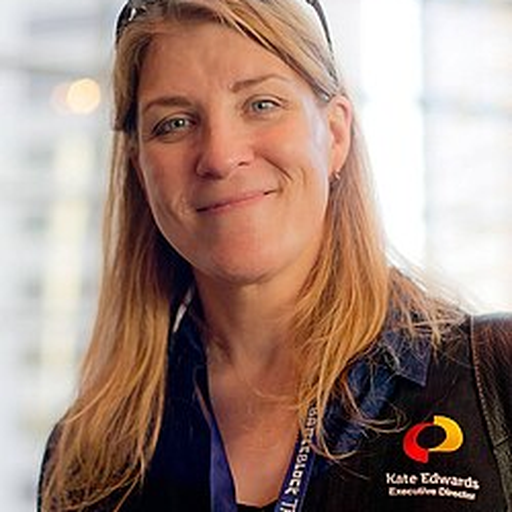
Kate Edwards
Kate EdwardsCulturalization strategist; CEO, Geogrify

Familiar cultural cues are not automatically wrong

A stereotype often starts with something real. The problem is rarely one recognizable cue—it is treating a handful of exportable symbols as if they explained an entire people.

Recognition and representation are different goals

Games often need to communicate quickly. Players may encounter a new location or character for only a few seconds, which encourages creative shorthand: a costume, an accent, an architectural silhouette. That efficiency is useful. Recognition asks whether players can identify the reference. Representation asks whether the depiction has enough depth to feel credible. A portrayal can be instantly recognizable and still shallow.

Ask why the culture is in the game

One of the most useful questions is also one of the simplest: why are you using this culture in the first place? The answer shapes how much research and responsibility the design needs. You may be:

  • Placing the game in a real location
  • Giving a character a specific background
  • Drawing on a historical period
  • Borrowing a regional aesthetic for art direction
  • Building a sense of place—or inspiring a faction or tradition

If you are reproducing a culture directly, accuracy and specificity matter more. If it is one inspiration among several for a fictional setting, you may need more distance between the source and the final culture—covered in more depth in fictional worlds and cultural assumptions. The key is intentionality.

Do not build a culture from its most exportable symbols

Cultures are often known internationally through a small set of highly visible symbols—tourism, film, advertising, sports, food, celebrations, clothing, music. Creators reach for them almost automatically, and those references can distort everyday life.

For richer representation, look past the famous shorthand. What does ordinary life look like? How do people speak to one another? What varies by region, age, class, or community? Which traditions are common versus occasional—and which references do locals recognize as exaggerated? Depth often comes from less obvious details.

Specificity is often more authentic than generic representation

Kate points to Indiana Jones and the Great Circle: for NPCs around the Giza Plateau, the team used Egyptian Arabic rather than treating “Arabic” as one generic sound. To players unfamiliar with the region, that may seem small. To players who know it, it can matter greatly. The more specific the representation, the less likely it is to feel like generic cultural decoration—whether you are choosing accents, dialects, clothing, food, architecture, names, music, historical details, or rituals. “Accurate to the region” is often more convincing than “recognizable internationally.”

I know the Indiana Jones game got praise from people in Egypt because the accent you hear of the NPCs walking around the Giza Plateau is actual Egyptian Arabic. It's not just like generic—and we did that on purpose. We wanted to make sure it was that accurate.

Kate Edwards
Kate EdwardsCulturalization strategist; CEO, Geogrify

Accents deserve particular care

A few spoken lines can establish where a character is from, which makes accents powerful—and risky. A generic imitation can make a character feel stereotyped even when everything else is carefully researched. Ask:

  • Is this the right regional accent for the character’s background?
  • Is the performance exaggerated—or used only for humor?
  • Do all characters from the culture sound identical?
  • Are native speakers or regional specialists involved?

Accent accuracy is one of the clearest signals that your studio went beyond broad cultural shorthand. For how voice and character identity travel in localization, see localizing game characters.

Cultures contain internal variation

One of the easiest ways to avoid stereotyping is to stop treating cultures as internally uniform. People within the same country or community differ by region, generation, class, education, religion, profession, urban or rural background, politics, and relationship to tradition. If every character from one culture speaks the same way, shares the same worldview, dresses alike, and follows the same traditions, you are representing a category rather than a community. Variation creates credibility.

Do not make one character represent an entire culture

The fewer characters from a group, the more symbolic weight each one carries. If your game has one character from a particular culture, players may read that person as standing in for the group. Give them motivations and traits that extend beyond cultural identity—ambition, humor, reserve, idealism, cynicism—so background can shape the character without becoming their only defining trait.

Cultural authenticity is not a checklist of objects

Stacking traditional clothing, famous food, regional music, recognizable architecture, and a local saying does not automatically create better representation. Those elements can still feel artificial if they exist only to signal authenticity. Ask why this person is wearing this, why this music is playing, whether the object belongs to ordinary life or ceremony, whether it fits the period, and whether this specific character would actually use it. Context turns cultural decoration into meaningful worldbuilding—and avoids some of the patterns covered in cultural traps in localization.

Representation needs a purpose

When you use real-world cultural elements, know what they contribute: geography, history, character identity, social structure, political context, atmosphere, conflict, community, or theme. If a reference serves no function beyond looking “exotic,” it deserves another look. Not every detail needs major narrative importance—environmental texture can simply make a place feel real—but you should still know what you are using and why.

Localizing culturally specific characters and worlds? Get a game localization quote that protects voice and context.

Get a game localization quote

Research the culture as a living culture

Creative research easily gravitates to historical or visual sources. Those help, but they may not show how people understand their own culture today. Depending on the project, you may draw on books, archives, museums, photography, documentaries, local media, interviews, regional experts, native speakers, and cultural consultants. The objective is not simply gathering more references—it is comparing perspectives. A tourism page emphasizes different details from a local newspaper; a historical archive may diverge from a present-day resident. Multiple perspectives help you separate deeply rooted elements from outsider stereotypes.

Firsthand research and local experts

Kate describes a strategy used by some large studios: sending development team members to the location they plan to depict—citing Far Cry 5 and Montana as an example of experiencing a place firsthand. Field research can reveal how people speak, how environments feel, everyday behavior, local attitudes, and details that never appear in reference photos.

Not every studio can send teams abroad. You can still apply the principle at a smaller scale: interview residents, hire local consultants, run remote research sessions, review local media, ask native speakers to evaluate designs, and schedule targeted cultural reviews. An external viewer may notice that something looks broadly accurate. A local expert may catch what outsiders miss: the wrong dialect, a regional mismatch, clothing from another community, or a symbol with unintended meaning. Subtlety is often what separates a convincing representation from a generic one.

Avoid mixing cultures without understanding the result

Fantasy and entertainment frequently combine visual elements from multiple real-world cultures—a valid creative approach when it is intentional. Combining references without understanding them can produce a setting that feels like a pile of “foreign” imagery rather than a coherent culture. Before you mix, ask where each element comes from, whether the cultures have historical relationships, whether religious elements are being blended casually, whether symbols contradict one another, and what new internal logic explains the combination.

Be careful with historical cultures too

Teams sometimes assume that because something belongs to the past, modern cultural sensitivity matters less. Historical cultures often remain connected to modern identity, religion, national history, ethnicity, political debates, and heritage. Detail also changes across periods, regions, social classes, rulers, and religious contexts. “Ancient Egypt,” for example, covers a vast span—specificity still matters.

The goal is not perfect representation

No game can completely represent an entire culture. Even documentaries make choices about what to include; games make more, because they must serve story, gameplay, visual clarity, production constraints, and audience expectations. The goal is not completeness—it is avoiding unnecessary simplification. A strong representation can acknowledge that this is one character, one place, one period, or one experience—not the definition of an entire culture.

Consultants inform; they do not replace creative decisions

Cultural expertise is most valuable when it gives your team information and options: why a reference could be problematic, whether something is inaccurate, how locals may interpret it, which alternative would be more specific, and where further research is needed. You still decide what belongs in the game. That collaboration works best when the question is not only “Can we use this?” but “What does this choice communicate, and is that what we intend?”

Culturalization can improve character and world design

Avoiding stereotypes is often framed as a restriction. It can instead become a creative opportunity. Removing a familiar cliché forces more specific answers. Instead of asking what instantly reads as Scottish, ask:

  • Where in Scotland are they from?
  • How old are they—and what kind of family did they grow up in?
  • What do they think of local traditions?
  • What accent do they have, and what do they personally value?

Those answers create a person.

The same approach applies to environments. Instead of asking what makes a level look culturally recognizable, ask what kind of people live here and how that would shape the space. That produces richer design—and it is cheaper to ask while concepts are still fluid. For the production case, see how early culturalization prevents expensive game rework.

A practical cultural-representation workflow

When your game draws on a real-world culture, you can work through a short process:

  1. Define the creative goal — which culture, why it is present, how central it is, whether the portrayal is direct or inspired, and which markets will encounter it.
  2. Identify major cultural signals — clothing, language, accents, architecture, food, religion, symbols, music, gestures, historical references.
  3. Flag the most stereotypical references — what would an outsider identify immediately, are you leaning on those too hard, and what less obvious details could add depth?
  4. Research internal variation — region, generation, class, religion, urban and rural life, historical period.
  5. Bring in relevant expertise — native speakers, regional specialists, historians, culturalization experts, community members as the project warrants.
  6. Review representation in context — character role, narrative purpose, scene, dialogue, environment, and relationships, not only isolated images.
  7. Review implementation — once assets are in the build, verify the full experience still communicates what you intended.

Cultural-representation checklist for game teams

Before you lock a culturally specific character or setting, compress the review into a few categories:

  • Purpose — Why is this culture here? What does it contribute? Direct reproduction or inspiration?
  • Research — Beyond obvious references? Multiple sources? Native or local perspectives? Correct region and period?
  • Characters — Identities beyond culture? Variation between characters? Accents specific and appropriate? Traits from personality rather than stereotype?
  • Visuals & environment — Clothing and architecture used in appropriate contexts? Symbols understood? Mixing intentional? Everyday details as well as icons? Space that feels lived-in?
  • Audio — Accents accurate? Native speakers involved where needed? Music in the right cultural context? Performances exaggerated for effect?
  • Narrative — Cultural elements relevant to the story? Culture treated as internally diverse? Historical references contextualized? One character unfairly carrying the whole group?
  • Review — Has someone familiar with the culture reviewed the game in context, with a path to give feedback your team can act on?

Cultural depth comes from specificity

Recognizable cultural signals are not inherently bad. A kilt, bagpipes, or a strong regional accent can belong in a game. The question is what surrounds them. If the portrayal stops at the most famous references, players may encounter a stereotype. If those references sit alongside individual characters, specific locations, local variation, credible behavior, and meaningful context, they become part of a richer representation.

The goal is not to remove culture from games. It is the opposite: to represent culture with enough depth that it feels like more than a label. For the broader framework, see Game Culturalization: How to Design for Global Audiences Without Losing Your Creative Vision.

Continue exploring game culturalization

Taking your game international? Get a game localization quote—with context, linguistic expertise, and multilingual QA built in.

Get a game localization quote
About the Author
Kate Edwards
Kate Edwards
Culturalization strategist; CEO, Geogrify

Kate Edwards is a geographer and culturalization strategist who established digital content culturalization during her years as Microsoft’s geopolitical strategist (1992–2005). Through Geogrify she advises studios and tech companies on geopolitical and cultural risk and opportunity across games and other media. She is a former Executive Director of the IGDA and the Global Game Jam, founder of the IGDA Game Localization SIG, and has consulted on franchises including Halo, Age of Empires, Mass Effect, and Call of Duty. The video clip in this guide is from her Beyond Localization conversation with Nadzeya Drahun of Alconost.
About the Author
Nadzeya Drahun
Nadzeya Drahun
Customer Success Manager, Alconost

Nadzeya Drahun is a Customer Success Manager at Alconost. She previously led localization projects as Senior Localization Manager, spanning games, apps, and software—from kickoff through delivery, quality, and client communication. She brings the vendor-side view of how culturally specific characters and worlds surface in real localization workflows—and why voice, context, and multilingual QA belong in the same conversation as cultural design.

Frequently Asked Questions

Are familiar cultural cues automatically stereotypes?
No. Kilts, accents, landmarks, and other recognizable elements can be real parts of a culture. The problem is treating a handful of highly visible references as though they fully explain who people are. Recognition helps players orient; representation needs enough depth and context to feel credible.
How do recognition and representation differ in game design?
Recognition asks whether players can identify the reference quickly—useful when a location or character appears for only a few seconds. Representation asks whether the depiction has enough specificity, internal variation, and purpose to feel lived-in rather than decorative.
Why does cultural specificity matter more than generic “authenticity”?
Generic shorthand (a catch-all “Arabic,” a tourist costume, a recycled accent) often reads as decoration. Specific choices—regional dialect, period-accurate detail, everyday life as well as icons—signal research and reduce the sense that culture is a costume. Kate cites Egyptian Arabic for Giza NPCs in Indiana Jones and the Great Circle as an example players from Egypt noticed and praised.
Should one character carry an entire culture?
Preferably not. The fewer characters from a group, the more symbolic weight each one carries. Give them motivations and traits beyond cultural identity, and where the cast allows it, show internal variation—region, generation, class, attitude toward tradition—so the game depicts a community rather than a category.
Do cultural consultants replace creative decisions?
No. Consultants inform: what a choice may communicate, whether it is inaccurate, how locals may read it, and which alternatives are more specific. The studio still decides what belongs in the game. The useful question is not only “Can we use this?” but “What does this choice communicate, and is that what we intend?”
Where does localization fit when representing real-world cultures?
Localization carries voice, terminology, and player-facing language across markets—especially for culturally specific characters and dialogue. Culturalization shapes the source design those linguists inherit. Both benefit from early context, character notes, and review in build. See also game character localization and game localization services.
How early should you review cultural representation?
While concepts are still cheap to change. Stereotypes often lock in during early art direction; revising them later can touch models, VO, levels, and marketing. For the production case, see why early culturalization prevents expensive rework.

Related Articles

Our Work

See how we help global companies scale their reach.

JetBrains
Software

JetBrains

1,000,000+ words localized into JA, ES, ZH-CN, KO, PT-BR, FR, TR, CS, RU

JetBrains / YouTrack & Hub
Software

JetBrains / YouTrack & Hub

Localization of Jetbrains' products Youtrack and Hub

Microsoft MakeCode
Software

Microsoft MakeCode

Localization of Microsoft MakeCode

TikTok
Mobile Apps

TikTok

100,000+ words localized into NL, FIL, FI, FR, DE, HE, IT, ES, SV, FR-CA, ES-MX for ByteDance

Viber
Mobile Apps

Viber

Localization of Viber messenger

Read case study
GitHub
Software

GitHub

Translation of GitHub guides and materials

Zendesk
Software

Zendesk

Zendesk Knowledge Base localization for multilingual customer support

Read case study
Airalo
Mobile Apps

Airalo

25,000 words localized into AR, ZH-CN, CS, FIL, FR, DE, EL, HE, HI, IT, JA, KO, PL, PT-BR, RU, ES-419, TH, TR, UK

Choco
Mobile Apps

Choco

15 000+ words localized into JA, KO, VI-VN, IT, PL, NL, PT-BR, CS, CA, ZH-CN

Bitrix24
Websites

Bitrix24

100 000 words and counting localized into ES, PT-BR, JA, ZH-CN and 11 more

Harvard University
E-Learning

Harvard University

Localization of online courses for Harvard University

Xsolla
Games

Xsolla

Localization of Xsolla products

Read case study
SafetyCulture
Software

SafetyCulture

5 000–8 000 words per month localized into JA, PL, TH, TA, SV-SE, VI, UK, ID, HI, KO, NO, PT-PT, RO, RU, TR, AR, BN, ZH-CN, ZH-TW, DA, FI, IT, DE, NL, FR, ES-ES, PT-BR, ES-MX

Veriff
Software

Veriff

12 000 words per month localized into ES-MX, ES-419, SO, SI-LK, VI, SL, SK, SR-CS, RO, PT-PT, PL, MS, MK, LT, LV, JA, HI, DE, KA, FR, FIL, NL, ZH-TW, ZH-CN, CA, BG, BN, ES-ES, PT-BR

Bitrix24 / Voice Responses
Media

Bitrix24 / Voice Responses

into DE, EN, ES, PT-BR, RU, UK

Read case study
DocuWare
Software

DocuWare

90,000 words localized into 23 languages for cloud & on-premises document management

Gartic Phone
Games

Gartic Phone

5 000 words localized into JA, AR, TH, CS, ID, FR, DE, ZH-CN, IT, NL, SV, RO, KA, FA, AZ

Bandsintown
Software

Bandsintown

Localization of Bandsintown app

Read case study
Aviasales
Websites

Aviasales

100,000 words localized into 12 languages for flight search platform

Endomondo
Software

Endomondo

10 000 words and counting localized into CS, HI, NO, TR and 12 more

Liferay
Software

Liferay

Localization of Liferay Platform

BattleTech
Games

BattleTech

Localization of the Battletech game

Goat Simulator
Games

Goat Simulator

Localization of the Goat Simulator game

Stellaris
Games

Stellaris

Localization of the Stellaris game

Movavi
Mobile Apps

Movavi

100,000+ words localized into 20+ languages for video editing software

Parimatch
Software

Parimatch

200,000+ words localized into FR, FR-CA, DE, HI, IT, JA, PL, PT, PT-BR, ES, ES-MX, TR for betting platform

Prequel
Mobile Apps

Prequel

Expanded Top-10 photo editing app to 100M+ Gen Z users worldwide

Ultimate Guitar
Mobile Apps

Ultimate Guitar

4,000 words localized into ES with LQA for Muse Group's guitar app

Wildlife Studios
Games

Wildlife Studios

75 000+ localized into FR, DE, IT, KO, RU, TR, PT-BR, ES-MX, UK, RO, AR

App in the Air
Mobile Apps

App in the Air

500,000+ words localized into PT-BR, PT, NL, KO, HI, FR, ES, SV, IT, TR, JA, AR, DE, ZH-CN, ZH-TW

Apptweak
Mobile Apps

Apptweak

100,000 words localized into JA, KO, ZH, FR for ASO analytics platform

Discourse
E-Learning

Discourse

55,000 words localized into ZH-CN, PT-BR, IT, FR, DE, AR, FI, JA, ES for open-source forum platform

Gcore
Software

Gcore

100 000+ words localized into ZH-CN, DE, ES, PT-BR

Grand Hotel Mania
Games

Grand Hotel Mania

100,000+ words localized from RU into 20 languages for hotel simulator game by Deuscraft

IllFonic
Games

IllFonic

IllFonic Inc.

InterSystems
E-Learning

InterSystems

550+ words localized into ES, FR, PT-BR, ZH-CN, JA

Kissflow
E-Learning

Kissflow

140,000+ words localized into IT, TH for low-code/no-code work platform

Klondike
Games

Klondike

50,000 words localized into DE, ES, IT, FR, PL, NL, JA, KO, ZH-CN, ZH-TW, PT-BR for VIZOR APPS

Clue
Software

Clue

Localization of Clue mobile app

Read case study
Dacadoo
Mobile Apps

Dacadoo

100,000+ words localized into 17 languages for digital health platform

My Cafe
Games

My Cafe

400 000 words and counting localized into FR, ES, PT-BR, KO and 6 more

Party Hard
Games

Party Hard

Localization of the Party Hard game

Planner 5D
Mobile Apps

Planner 5D

20,000 words localized into 24 languages for home design app

Punch Club
Games

Punch Club

20 000 words localized into ZH-CN, PL

Read case study
RICOH360 Tours
Software

RICOH360 Tours

18 000 characters localized into Japanese –> English, German, French, Spanish, Dutch

Sumsub
Software

Sumsub

7,000 words localized into 28 languages for identity verification platform

Transporeon
Software

Transporeon

50,000 words localized into 18 languages for logistics visibility platform

Aktiia
Websites

Aktiia

21,000 words localized into FR, DE, IT for blood pressure monitoring startup

Awarefy
Mobile Apps

Awarefy

30 000 characters localized into Japanese –> English

Baby Tracker
Mobile Apps

Baby Tracker

5 000 words localized into ES-LA, PT-BR, DE, UK

Circuit
Mobile Apps

Circuit

5,000 words localized into 30+ languages for delivery route planning app

CSAT
Software

CSAT

200 000+ words localized into AR, HE, IT, KO, PL, PT-BR, PT, TR, ZH-CN

Driivz
Software

Driivz

1 300 words localized into HR, CS, ET, FI, FR, FR-CA, DE, EL, HU, IS, IT, LV, LT, NO, PL, RO, SK, SL, ES-ES, SV

Foodback
E-Learning

Foodback

50,000 words localized into 12 languages for restaurant feedback platform

Gentler Streak
Mobile Apps

Gentler Streak

2 000 words per month localized into FR, DE, IT, ZH, ZH-HK, JA, KO

Harvest Land / Paris: City Adventure
Games

Harvest Land / Paris: City Adventure

200,000+ words localized from RU into 8 languages for Mysterytag games

Harvest Land
Games

Harvest Land

2 000 words per month localized into RU → EN, ES, PT-PT, FR, IT, DE, KO, JA, ZH

Hotel Life
Games

Hotel Life

12,000 words localized into 10 languages for hotel simulation game by Eidolon

HUB Parking
Software

HUB Parking

62,000 words localized into RU for smart parking solutions

Keenetic
Websites

Keenetic

30,000 words localized into PL, ES, FR, DE, SV, PT, IT for Wi-Fi router manufacturer

Charm Farm
Games

Charm Farm

Localization of Charm Farm Game

Read case study
Zombie Castaways
Games

Zombie Castaways

Localization of the Zombie Castaways game

Meisterplan
Software

Meisterplan

74,500 words localized into ES, FR, DE for project portfolio management

Onde
Mobile Apps

Onde

up to 1 000 words per month localized into SV, RW, DA, SQ, PL, KM, ET, MY, ZH-HANS, FI, DE, LV, HE, NL, HR, SK, NO, LT, IT, TH, SO, ID, IS, UR-PK, ZH-HANT, CS, UK and 10 more

OpenProject
Software

OpenProject

1 000+ words per month, up to 150 000 localized into FR, ZH-CN, ES-ES, IT, PL, PT-PT, PT-BR, KO, UK

Pillow
Software

Pillow

100,000+ words localized into 13 languages for sleep tracking app by Neybox

Playwing
Games

Playwing

40 000+ words localized into AF, AR, BN, MY, HR, CS, NL, ET, FR, KA, DE, EL, HU, ID, MS, PL, PT, RU, SK, ES, SV, TH

Clash of Kings
Games

Clash of Kings

Proofreading of in-game text for Clash of Kings

Read case study
Soundiiz
Software

Soundiiz

15,000+ words localized into 14 languages for music playlist transfer app

Speakap
Mobile Apps

Speakap

5,000 words localized into DE, NL, ES for employee communication app

Stripo
Websites

Stripo

25 000 words localized into PT-BR, TR, CS, FR, DE, IT, ES, PL, ZH-TW, NL, SL

Sufio
Mobile Apps

Sufio

3 000 words localized into FR, DE

Tonsser
Mobile Apps

Tonsser

40,000 words localized into ES-US, PT, SV, DE for football community app

Vizor
Games

Vizor

into ES-ES, NL, PL, ZH-CN, ZH-TW, PT-BR, IT, KO, FR, DE

Read case study
Alvadi
E-Commerce

Alvadi

Multilingual SEO for automotive supplier expanding to 30+ markets

BoxHero
Software

BoxHero

10000 localized into ES-419, ZH-CN, ZH-TW

Epic Roller Coasters
Games

Epic Roller Coasters

4,000 words localized into ZH-CN, FR, DE, JA, KO, RU, ES for VR game by B4T Games

Dating Apps Bundle
Mobile Apps

Dating Apps Bundle

50,000 words localized into 36+ languages for Red Panda Labs dating apps

Face Yoga
Mobile Apps

Face Yoga

2,000 words localized into ES-419, PT-BR for skincare app by Tepluhab

Forest Bounty
Games

Forest Bounty

10,000 words localized from RU/EN into ES, FR, PL, PT-BR for VigrGames

Game Localization — MTPE
Games

Game Localization — MTPE

Anonymized case — under NDA

Read case study
HUD App
Software

HUD App

10,000 words localized into 18 languages for dating app

DreamCommerce
E-Commerce

DreamCommerce

Localization of DreamCommerce Platform

Read case study
Jooble
E-Learning

Jooble

10 000 words localized into ES, PT, KO, JA and 11 more

Read case study
Smarty CRM
Software

Smarty CRM

Localization of Smarty CRM platform

Read case study
Targetprocess
Software

Targetprocess

Localization of Targetprocess platform

Mahjong Treasure Quest
Games

Mahjong Treasure Quest

30 000 words localized into EN → JA, MTPE: EN → PL, NL, KO, ZH-CN, ZH-TW, DE, FR

Primagest
Websites

Primagest

80 000 characters localized into JA → EN, ZH

Raymy
Software

Raymy

80 000 characters localized into Japanese –> English, Chinese (traditional),Vietnamese, Hindi

Sana Commerce
E-Commerce

Sana Commerce

Bi-weekly B2B e-commerce platform updates in 22 languages

Swappy Dog
Games

Swappy Dog

25,000 words localized from RU into 19 languages for match-3 game by Funmatica

Swoo
Mobile Apps

Swoo

30,000 words localized into ES, IT, PT for digital wallet app by CARDS/MOBILE

EnjoyGaming
Games

EnjoyGaming

500 words per month localized into DE, ES, FR, HI, IT, JA, KO, PT, PT-BR, RU, SV, TR, UK

2Solar
Software

2Solar

10,500 words localized into DE for solar software platform

24 Hour Home Care
Software

24 Hour Home Care

2,590 words localized into ES-419 for healthcare staffing company

ActiveMap
Software

ActiveMap

18 000 words localized into AR

Adizes Institute
E-Learning

Adizes Institute

5,850 words localized into HE for leadership consulting platform

AI Chat Smith
E-Learning

AI Chat Smith

1 500 words per month localized into ES, JA, RU, ZH, DE, FR, PT-BR

Alice VR
Media

Alice VR

8 phrases localized into CA, EN, ES, RU

Read case study
Appewa
E-Learning

Appewa

100+ words localized into 20 languages for language learning app by Lithium Lab

Associations
Games

Associations

3 000 words localized into TR, PL, SV-SE, NO, DA, CS, SK, HU, JA, KO, and 7 more

Aviloo
Software

Aviloo

5,000 words MTPE from DE into DA, NL, FR, IT, SV, NO for EV battery diagnostics

Read case study
Berry Factory Tycoon
Games

Berry Factory Tycoon

1 500 words every two months localized into RU → EN, KO, JA

BestChange
Websites

BestChange

2 000 words per month localized into NL, PL, SV

Blink
E-Learning

Blink

32 300 words localized into FR

Bunny Boom
Games

Bunny Boom

3 000 words localized into DE, ES, FR, IT, JA, KO, PT-BR

Life is Feudal
Media

Life is Feudal

Character voiceovers for Life is Feudal: Your Own

Read case study
Cosmos VR
Media

Cosmos VR

2 000 words localized into CA, DE, EN, ES

Read case study
Darksy Cleaner
Mobile Apps

Darksy Cleaner

1,400 words localized into 9 languages for iOS photo cleaner app

Days After
Games

Days After

500 words every 1.5 months localized into RU → EN, PT-BR, ES; EN → DE, FR, KO, AR, ZH-TW, ZH-CN, NO, PL, TH, CS, JA and 10 more languages on demand

Dople
Software

Dople

11 500 characters with space localized into KO → JA

eSIM Provider
Websites

eSIM Provider

around 30 000 words when requested localized into SQ, AR, HU, IT, IS, NL, FR, DE

EXR
Games

EXR

12 000 words localized into ES, FR

GoodCrypto
Software

GoodCrypto

2 000 words per month localized into AR, ZH, FR, DE, ID, IT, KO, PT-BR, ES, TR, VI

Haiku
Games

Haiku

10 000+ words localized into ES-419, PT-BR, DE, JA, ZH-CN

Impulse
E-Learning

Impulse

Impulse - Brain Training

IQ Dungeon
Games

IQ Dungeon

IQ Dungeon - Riddle Solving RPG

Knights and Brides
Games

Knights and Brides

Knights & Brides

Lexilize
E-Learning

Lexilize

7 000 words localized into FR

Darklings
Games

Darklings

1 000 words localized into JA, ZH, ES, RU, IT, FR, DE, PT, KO

Kill Shot Bravo
Games

Kill Shot Bravo

Localization of Kill Shot Bravo

Next Stop
Games

Next Stop

7 500 words localized into FR, DE, EN, JA

EcoCity
Games

EcoCity

Localization of the EcoCity game

Forced Showdown
Games

Forced Showdown

Localization of the Forced Showdown game

Minion Masters
Games

Minion Masters

Localization of the Minion Masters game

Outpost Zero
Games

Outpost Zero

Localization of the Outpost Zero game

Streets of Rogue
Games

Streets of Rogue

Localization of the Streets of Rogue game

Tamadog
Games

Tamadog

Localization of the Tamadog game

Valentine's Day
Games

Valentine's Day

into DE, FR, IT, ES, PT-BR

Mimic Logic
Games

Mimic Logic

13 000 characters localized into JA → EN, ZH-CN

Mini Golf 100+
Games

Mini Golf 100+

10 000 characters localized into Japanese –> English, German, French, Spanish, Korean, Chinese (tw), Chinese (zh), Portuguese (Brazil)

Mini Mini Farm
Games

Mini Mini Farm

8 500 characters localized into Japanese –> English

mod.io
Games

mod.io

500 words localized into ZH-TW, ZH-CN, DE, IT, JA, KO, PL, RU, ES

MySignature
Websites

MySignature

1 500 words per month localized into IT, FR, NL, FI, PL, DE, ES, PT

Parasite Days
Games

Parasite Days

70 000 characters localized into Japanese –> English

PDIS
Software

PDIS

2 346 characters with space localized into KO → EN

PosterMyWall
E-Learning

PosterMyWall

1 000 words per month localized into ZH-HANS, DA, NL, FR, DE, ID, IT, PL, PT, RU, ES, TH

Prospre
Software

Prospre

7 000 words localized into ZH-CN, FR, DE, IT, JA, PT-BR, ES-419

Ruins Magus
Games

Ruins Magus

38 000 characters localized into Japanese –> English

Samedi Manor
Games

Samedi Manor

2,000 words localized from RU into 7 languages for idle game by Black Caviar Games

Soltec Health
E-Learning

Soltec Health

17 000 words per 6 months localized into JA

Soma Development
Software

Soma Development

8 000 words localized into AR, ZH-CN, FR, DE, ID, IT, JA, PT, RU, VI, ES-419

Sonnet of Wizard
Games

Sonnet of Wizard

224 261 characters localized into Japanese –> English

Sportplus
Websites

Sportplus

800 words localized into AR, HI

Hotel Project
Games

Hotel Project

3,622 words localized into PT-BR for merge game by Next Epic

Tovie AI
Software

Tovie AI

4,800 words localized into ES, PT-BR for conversational AI platform

Ultight
Software

Ultight

5 046 characters with spaces localized into KO → EN

Underground Waifus
Games

Underground Waifus

4 300 words localized into JA, ZH-CN, KO, FR, IT, DE

UNNI
Software

UNNI

15 000 words per month localized into TH

Vlad & Niki
Games

Vlad & Niki

15,000 words localized into 10 languages for kids claymation game by RUD present

Kerish Doctor
Media

Kerish Doctor

Voiceovers for the Kerish Doctor software

Read case study
Welcome Bot
Software

Welcome Bot

2 000 words localized into UK, LT, AR, ES, FR, DE, PT, IT, PL, HE, ID, TR, HI, VI, MS, TH, CS, NL

WRD
Media

WRD

WRD – Learn Words App Voiceover

Read case study
Azur Games
Games

Azur Games

200 – 500 words per order localized into ID, PL, IT, TR, ZH-CN, ZH-TW, KO, PT-BR, JA, FR, ES, DE, TH, HI

Conf.app
Software

Conf.app

4,500 words localized into IT, ZH-CN, PT-BR, DE, ES for event management app

Character Bank
Software

Character Bank

Localization for Character Bank software platform

Coffee Break
Software

Coffee Break

Localization for Coffee Break software platform

Google
Software

Google

Localization for Google

GROOVE
Software

GROOVE

Localization for GROOVE X

Hakali
Software

Hakali

Localization for Hakali

Request a Quote

Whether you're launching in new markets or scaling existing localization — let's make it happen.
This field is required
Please enter a valid email address
Please enter a valid phone number
This field is required