The Trickiest Languages in Game Localization—and What They Reveal About Game Design

Some languages expose weaknesses in a game’s design faster than others. Arabic reveals whether the interface can handle right-to-left text. German breaks buttons through text expansion. Japanese exposes line-breaking assumptions. These are often described as translation difficulties, but they are usually design and engineering problems that only become visible during localization. The real question is not which language is hardest—it is which assumptions each language will challenge.

A button that fits in English can overflow in German. A layout built for left-to-right navigation can collapse when Arabic arrives. These failures are often blamed on translation; they are usually design and engineering problems that only show up during localization. Different languages demand different things from typography, layout, grammar, input handling, text direction, and content structure—so a game designed around English alone can look stable until another language tests its assumptions. This companion to The Complete Game Localization Workflow looks at common challenges and what they reveal about whether your game is truly ready for international players.

Which languages create the trickiest localization challenges?

In this clip, Yana Tarasevich explains why Arabic and long European languages force studios to make their UI more flexible—before the interface breaks in production. From her Level Design Lobby conversation with Max Pears.

Technically, Arabic is always a challenge, because you need to make sure your game supports the fonts and the writing—the direction of writing is not the same as in English. Among European languages, German and Italian are difficult because they are really long languages, with long words. When you put them in as is, the interface just breaks, and you need to come up with new options to make the text shorter while still conveying the meaning.
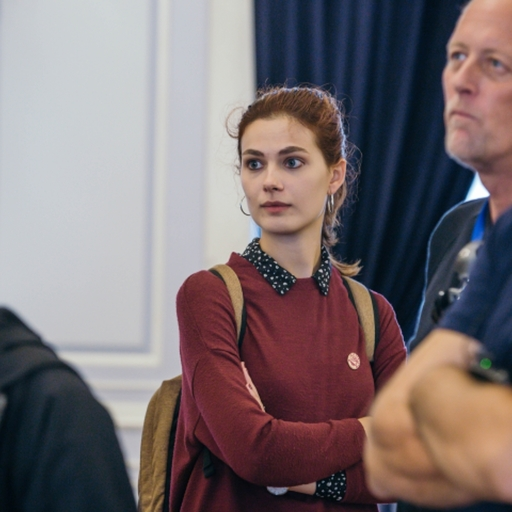
Yana Tarasevich
Yana TarasevichLocalization Team Lead, Alconost

There is no universally hardest language

The difficulty of game localization depends on the source language, the target language, the game engine, the UI architecture, the amount of narrative content, the use of variables, the target platforms, the font system, the quality requirements, and the level of cultural adaptation. A text-heavy RPG with branching dialogue faces different problems from a minimalist puzzle game; a mobile title with narrow buttons experiences text expansion differently from a PC strategy game with flexible panels; a game built with strong Unicode and right-to-left support handles Arabic more easily than one designed only for Latin scripts. The important question is not “which language is the hardest?” but “which assumptions in the game will this language challenge?”

Arabic reveals whether the interface is truly bidirectional

Arabic is often the clearest test of localization readiness. It is written right to left, but many game interfaces are designed entirely around left-to-right behavior, so supporting Arabic involves more than translating strings. The game may need to handle right-to-left direction, bidirectional text, letter shaping, font support, mirrored layouts, mixed Arabic and Latin content, numerals, cursor movement, text alignment, icon direction, and subtitle positioning.

Text direction: a left-to-right interface often assumes navigation begins on the left, icons point one way, labels align left, and progress moves left to right. Arabic may require these elements to be mirrored or repositioned—simply right-aligning text does not create a complete right-to-left experience. Letter shaping: Arabic characters change form by position; a system may contain the correct Unicode characters while displaying them incorrectly as disconnected forms. Bidirectional text: Arabic strings often contain Latin elements (player names, product names, controller buttons, version numbers), and mixing directions can cause reversed order, misplaced punctuation, and broken variables—so it must be tested with real content, not sample sentences. Fonts: a font may include Arabic glyphs yet still be unsuitable; verify complete coverage, correct shaping, readability at UI sizes, numerals, punctuation, and fallback that matches the game’s style.

What Arabic reveals: whether your interface is direction-aware, uses logical rather than fixed positions, handles mixed content, and was designed for localization. If adding Arabic means rebuilding large parts of the UI, the game was built around one writing direction—not adaptable components. Supporting it late is a classic source of expensive rework.

German reveals whether the UI can handle expansion

German is known for long compound words and expanded phrasing. A short English label may become significantly longer, affecting buttons, tabs, settings, menus, HUD elements, item names, tutorials, tooltips, achievement descriptions, and quest objectives. German may combine several concepts into one word and require more explicit grammatical structure than compact English UI text; the result is not always dramatically longer, but enough strings expand to expose rigid layouts.

Common failure patterns: text running outside buttons, labels cut off midway, and meaning stripped to save space—often with a request to “make it shorter,” even when the translation is already concise. What German reveals: whether your UI uses flexible containers, supports multiple lines, allows dynamic sizing, and separates meaning from English word-length assumptions. When the only fix is removing meaning from the translation, the problem is architectural.

Italian reveals whether compact English was treated as universal

Italian can also require more space than English, particularly in instructions, tutorials, descriptions, system messages, menu labels, and narrative exposition. English often compresses ideas through short verbs, noun phrases, and compact interface language, while Italian may need additional articles, prepositions, or longer inflected forms. A design that works in English because the source text is unusually compact may, once localized, show overflowing tutorial boxes, unclear menu hierarchy, descriptions that need more lines, crowded button labels, and subtitles that remain on screen too briefly. What Italian reveals: whether the product assumed every language can express the same idea with English-level compactness—and whether the team has flexible layouts, practical shortening rules, clear hierarchy, enough subtitle time, and good collaboration between linguists and designers.

Japanese reveals line-breaking and contextual limitations

Japanese does not use spaces the way English does, and line breaking follows language-specific conventions. A generic width-based wrapping system may create awkward breaks—certain characters should not appear at the beginning or end of a line—affecting dialogue boxes, subtitles, tutorials, item descriptions, mobile UI, and vertical text areas. Japanese also frequently omits subjects that are explicit in English, so appropriate phrasing depends heavily on speaker, listener, relationship, gender, social status, tone, and scene; a translator without character and dialogue context may produce a grammatically valid but socially inappropriate line. Character width and font rendering create their own layout considerations. What Japanese reveals: whether the game supports locale-aware line breaking, high-quality CJK fonts, context-rich dialogue workflows, mixed-script content, and language-specific typography. For one market’s specifics, see Japanese game localization.

Chinese reveals font, density, and variant decisions

Chinese may appear compact in UI but introduces other challenges. Studios need to decide whether they support Simplified Chinese, Traditional Chinese, both, or regional terminology differences. Font coverage: Chinese requires large character sets, and incomplete coverage causes missing glyphs or inconsistent fallback—test common characters, rare names, fictional terminology, punctuation, numerals, bold variants, and platform rendering. Text density: Chinese can express meaning compactly, but visual density may be high, so a small font readable in English can become hard to read with complex characters at the same size. Regional differences: Simplified and Traditional Chinese are not interchangeable formatting variants; vocabulary and expectations differ across regions, so decisions should reflect the intended market rather than relying on script conversion. What Chinese reveals: character-set completeness, font readability, regional planning, script-specific QA, and whether language variants are treated as real locales.

Korean reveals typography and spacing assumptions

Korean uses Hangul blocks and has its own typographic conventions, so a font or layout designed for Latin text may not provide the same readability. Test character width, spacing, line height, mixed Korean and Latin content, punctuation, font weight, small UI labels, and subtitle readability. Korean can also reveal whether a game’s UI uses fixed-height elements that do not accommodate different scripts comfortably.

Slavic languages reveal plural and grammatical limitations

Languages such as Polish, Russian, Ukrainian, and Czech may use more complex plural systems than English, which often distinguishes only one item from multiple items. Plural handling: a system storing only singular and plural may be insufficient—dynamic strings like You collected {count} coins. may need multiple translated variants. Grammatical case: inserted names and nouns may change form depending on their role in the sentence, so a system that inserts every term in one fixed form can produce incorrect grammar. Gender: verbs, adjectives, and pronouns may depend on player gender, character gender, item category, or speaker identity; without this information, translators are forced into awkward neutral constructions. What Slavic languages reveal: whether the string system supports locale-specific plural rules, grammatical variants, gender-aware text, flexible word order, and proper variable handling—a key part of the context translators need.

Romance languages reveal agreement and formality needs

French, Spanish, Italian, Portuguese, and other Romance languages may require explicit choices around gender, number, formality, agreement, articles, and pronouns. A generic English string such as “You are ready.” may not provide enough information: the translation may depend on whether the player character is male, female, or unspecified, whether the line addresses one person or several, and whether the relationship is formal or informal. What Romance languages reveal: whether the game provides translators with speaker and listener information, character gender, audience number, formality guidance, and full-sentence context.

Thai and other scripts reveal hidden rendering assumptions

Some scripts introduce challenges involving combining marks, vertical positioning, line breaking, character segmentation, font metrics, search, and cursor movement. A renderer that assumes one visible character equals one code point may behave incorrectly, affecting text input, character counting, deletion, cursor navigation, selection, subtitle limits, and UI truncation. These problems demonstrate why localization readiness must include text-engine behavior, not only translation files.

Languages with diacritics expose incomplete font support

Even Latin-alphabet languages can break a game if the font does not support the full character set—Polish, Czech, Romanian, Turkish, Vietnamese, Hungarian, and Croatian among them. Problems include missing characters, incorrect accents, poor kerning, clipped diacritics, broken uppercase forms, and font fallback. A game that supports basic English letters is not necessarily ready for other Latin-script languages.

Want to know which languages will stress-test your game’s UI first?

Get a language stress-test

Text expansion should be planned, not guessed

You’ll often hear general estimates such as “translations may be 30% longer.” Useful for early design—but actual expansion varies by language, string length, content type, and UI restrictions. Short strings can expand proportionally more than long paragraphs: a two-word button may double even when a full paragraph barely grows. Better tests include pseudo-localization, real sample translations, representative language sets, pixel-based checks, and early localized builds. Pseudo-localization expands source strings and adds accented characters to catch truncation, hard-coded text, unsupported glyphs, and broken layouts—it cannot replace real-language testing, but it exposes basic weaknesses early.

The interface should adapt before translators are forced to compromise

When text does not fit, teams often ask translators to shorten it. Sometimes a shorter translation exists, but repeated shortening leads to loss of meaning, unclear actions, inconsistent terminology, unnatural abbreviations, reduced accessibility, and poor comprehension. The decision should involve both linguists and designers. Possible solutions include expanding the UI element, allowing two lines, adjusting layout, using a shorter approved term, adding an icon, moving explanation into a tooltip, creating a locale-specific variant, or adjusting font size within limits. The translator should not be the only person responsible for solving a design constraint.

“Hard languages” often reveal weak source content

Some apparent language problems begin in English. A short source string may be ambiguous because it lacks a subject, object, context, gender, number, or gameplay function. “Save” could mean save the game, save a character, save money, a saved file, or a football action. The translation problem is not caused by the target language—it is caused by under-specified source content, and languages that require more grammatical precision simply make the ambiguity visible.

Language-specific QA is essential

A game may pass general functional QA while still failing in a particular locale. Native-speaker testers should verify text direction, font rendering, line breaking, grammar, variables, cultural meaning, terminology, UI fit, dialogue tone, and platform behavior—with priorities that reflect the language:

Language groupTest priorities
ArabicShaping, direction, mirroring, mixed text, alignment, fonts
German & ItalianExpansion, truncation, button fit, line wrapping, readability
Japanese & ChineseFonts, line breaking, character display, mixed scripts, text density
Slavic languagesPlurals, cases, gender, variables, dynamic text

The test plan should reflect the language, not use one generic checklist for every locale. For the full testing framework, see why native-speaker testing matters in game localization.

Use representative languages early

You don’t need to fully localize into every target language during early development—use a representative test set. For example: Arabic for right-to-left behavior, German for text expansion, Japanese for CJK rendering and line breaking, and Polish or Russian for plural and grammar systems. A limited test shows whether your architecture supports different directions, scripts, longer text, complex plurals, gender variation, and flexible layouts—so you catch structural problems before launch, not weeks before it.

Build a localization-ready UI system

A strong multilingual UI system should support dynamic sizing, multi-line text, locale-aware alignment, right-to-left mirroring, font switching, script-specific fallback, language-specific line breaking, flexible buttons, expandable panels, variable text length, and plural and gender variants. It should also let teams preview and test localized content without rebuilding every screen manually—one of the internationalization foundations covered in internationalization basics.

Give translators authority to flag design problems

Translators and localization testers often notice issues beyond wording: a layout that cannot fit the target language, a culturally inappropriate image, a confusing icon, a term that cannot stay consistent, a dialogue structure that breaks grammar, or a variable that lacks necessary information. These findings should be treated as product feedback, with a clear way to escalate to UI designers, narrative designers, engineers, producers, product owners, and QA leads. The goal is not only to fit the translation into the existing game—it is to create a better international version of the game. Cultural fit is explored in cultural traps in localization.

A practical language-readiness checklist

Text systems

  • Unicode is supported and target scripts render correctly
  • Combining characters, text input, and cursor behavior work
  • Variables support flexible ordering and locale-specific plurals are available

Fonts

  • Target-language glyphs and diacritics display correctly; fallback is controlled
  • Bold and italic variants work and small text remains readable
  • CJK characters are complete and Arabic shaping works

Layout

  • UI supports text expansion; buttons resize and multiple lines are allowed
  • Panels adapt; right-to-left layouts mirror; alignment is locale-aware
  • Tooltips remain readable and subtitles fit and stay timed correctly

Language logic and QA

  • Plural rules are locale-specific; gender variants and formality are handled
  • Variables are documented; full sentences are used and fragments minimized
  • Native-speaker testing is planned; representative languages are tested early
  • Pseudo-localization is used; right-to-left behavior, expansion, and line breaking are checked; fixes are retested

What these languages really reveal

Arabic, German, Italian, Japanese, Chinese, Korean, and Slavic languages do not create the same challenges, but together they test whether a game can accommodate linguistic difference. They reveal whether the product was built with flexible layouts, adaptable text systems, complete font support, proper variables, locale-aware grammar, clear source content, native-speaker QA, and early internationalization. A game designed only around English may look complete until localization begins—then every target language becomes a stress test.

The goal is not to eliminate every language-specific adjustment; some localization challenges genuinely require local solutions. The goal is to avoid treating predictable differences as unexpected emergencies. When a game is designed for adaptation, difficult languages become manageable production considerations rather than late-stage crises.

For the complete end-to-end process, see The Complete Game Localization Workflow: From Source Strings to In-Game QA, and to keep this working after launch, how to update a game without breaking its translations.

Planning Arabic, German, or Japanese and want the architecture checked first?

Get a game localization quote
About the Author
Yana Tarasevich
Yana Tarasevich
Localization Team Lead, Alconost

Yana Tarasevich leads localization teams at Alconost, coordinating game translation, terminology management, and multilingual QA. The video clip in this guide is from her conversation with Max Pears on the Level Design Lobby podcast. Read more from Yana on localizing video games.
Frequently Asked Questions

What is the hardest language for game localization?
There is no universally hardest language. Difficulty depends on the source and target languages, the game engine, the UI architecture, the amount of narrative content, variable use, target platforms, the font system, and quality requirements. A language that is straightforward for one game can be difficult for another.
Why is Arabic difficult to localize in games?
Arabic is written right to left and requires bidirectional text, letter shaping, mirrored layouts, mixed Arabic-Latin content, correct numerals, and aligned UI. A game can technically display Arabic characters while still presenting them incorrectly, so Arabic tests whether the interface is truly direction- and script-aware rather than fixed to left-to-right behavior.
Why do German and Italian break game interfaces?
Both often need more space than English. German combines concepts into long compound words; Italian adds articles, prepositions, and longer inflected forms. Enough strings expand to expose rigid layouts—overflowing buttons, truncated menus, broken HUD elements. When the only fix is removing meaning from the translation, the problem is architectural, not linguistic.


How do you handle plurals and gender in Slavic and Romance languages?
Store locale-specific plural forms (not just singular/plural), support grammatical case and gender-aware text, allow flexible word order, and give translators speaker, listener, and character-gender information. A variable system that inserts every term in one fixed form will produce incorrect grammar.
How can studios test hard languages without full localization?
Use a representative test set and pseudo-localization early: one right-to-left language (Arabic), one expansion-heavy language (German), one CJK language (Japanese), and one Slavic language (Polish or Russian). A limited test build reveals whether the architecture supports different directions, scripts, longer text, and complex grammar before launch.
Which languages should studios use as an early localization test set?
A practical early set is Arabic (right-to-left and shaping), German (text expansion), Japanese (CJK fonts and line breaking), and Polish or Russian (plurals and grammatical case). You do not need full localization into each—enough sample content in a test build reveals structural gaps before launch.

Related Articles

Our Work

See how we help global companies scale their reach.

JetBrains
Software

JetBrains

1,000,000+ words localized into JA, ES, ZH-CN, KO, PT-BR, FR, TR, CS, RU

JetBrains / YouTrack & Hub
Software

JetBrains / YouTrack & Hub

Localization of Jetbrains' products Youtrack and Hub

Microsoft MakeCode
Software

Microsoft MakeCode

Localization of Microsoft MakeCode

TikTok
Mobile Apps

TikTok

100,000+ words localized into NL, FIL, FI, FR, DE, HE, IT, ES, SV, FR-CA, ES-MX for ByteDance

Viber
Mobile Apps

Viber

Localization of Viber messenger

Read case study
GitHub
Software

GitHub

Translation of GitHub guides and materials

Zendesk
Software

Zendesk

Zendesk Knowledge Base localization for multilingual customer support

Read case study
Airalo
Mobile Apps

Airalo

25,000 words localized into AR, ZH-CN, CS, FIL, FR, DE, EL, HE, HI, IT, JA, KO, PL, PT-BR, RU, ES-419, TH, TR, UK

Choco
Mobile Apps

Choco

15 000+ words localized into JA, KO, VI-VN, IT, PL, NL, PT-BR, CS, CA, ZH-CN

Bitrix24
Websites

Bitrix24

100 000 words and counting localized into ES, PT-BR, JA, ZH-CN and 11 more

Harvard University
E-Learning

Harvard University

Localization of online courses for Harvard University

Xsolla
Games

Xsolla

Localization of Xsolla products

Read case study
SafetyCulture
Software

SafetyCulture

5 000–8 000 words per month localized into JA, PL, TH, TA, SV-SE, VI, UK, ID, HI, KO, NO, PT-PT, RO, RU, TR, AR, BN, ZH-CN, ZH-TW, DA, FI, IT, DE, NL, FR, ES-ES, PT-BR, ES-MX

Veriff
Software

Veriff

12 000 words per month localized into ES-MX, ES-419, SO, SI-LK, VI, SL, SK, SR-CS, RO, PT-PT, PL, MS, MK, LT, LV, JA, HI, DE, KA, FR, FIL, NL, ZH-TW, ZH-CN, CA, BG, BN, ES-ES, PT-BR

Bitrix24 / Voice Responses
Media

Bitrix24 / Voice Responses

into DE, EN, ES, PT-BR, RU, UK

Read case study
DocuWare
Software

DocuWare

90,000 words localized into 23 languages for cloud & on-premises document management

Gartic Phone
Games

Gartic Phone

5 000 words localized into JA, AR, TH, CS, ID, FR, DE, ZH-CN, IT, NL, SV, RO, KA, FA, AZ

Bandsintown
Software

Bandsintown

Localization of Bandsintown app

Read case study
Aviasales
Websites

Aviasales

100,000 words localized into 12 languages for flight search platform

Endomondo
Software

Endomondo

10 000 words and counting localized into CS, HI, NO, TR and 12 more

Liferay
Software

Liferay

Localization of Liferay Platform

BattleTech
Games

BattleTech

Localization of the Battletech game

Goat Simulator
Games

Goat Simulator

Localization of the Goat Simulator game

Stellaris
Games

Stellaris

Localization of the Stellaris game

Movavi
Mobile Apps

Movavi

100,000+ words localized into 20+ languages for video editing software

Parimatch
Software

Parimatch

200,000+ words localized into FR, FR-CA, DE, HI, IT, JA, PL, PT, PT-BR, ES, ES-MX, TR for betting platform

Prequel
Mobile Apps

Prequel

Expanded Top-10 photo editing app to 100M+ Gen Z users worldwide

Ultimate Guitar
Mobile Apps

Ultimate Guitar

4,000 words localized into ES with LQA for Muse Group's guitar app

Wildlife Studios
Games

Wildlife Studios

75 000+ localized into FR, DE, IT, KO, RU, TR, PT-BR, ES-MX, UK, RO, AR

App in the Air
Mobile Apps

App in the Air

500,000+ words localized into PT-BR, PT, NL, KO, HI, FR, ES, SV, IT, TR, JA, AR, DE, ZH-CN, ZH-TW

Apptweak
Mobile Apps

Apptweak

100,000 words localized into JA, KO, ZH, FR for ASO analytics platform

Discourse
E-Learning

Discourse

55,000 words localized into ZH-CN, PT-BR, IT, FR, DE, AR, FI, JA, ES for open-source forum platform

Gcore
Software

Gcore

100 000+ words localized into ZH-CN, DE, ES, PT-BR

Grand Hotel Mania
Games

Grand Hotel Mania

100,000+ words localized from RU into 20 languages for hotel simulator game by Deuscraft

IllFonic
Games

IllFonic

IllFonic Inc.

InterSystems
E-Learning

InterSystems

550+ words localized into ES, FR, PT-BR, ZH-CN, JA

Kissflow
E-Learning

Kissflow

140,000+ words localized into IT, TH for low-code/no-code work platform

Klondike
Games

Klondike

50,000 words localized into DE, ES, IT, FR, PL, NL, JA, KO, ZH-CN, ZH-TW, PT-BR for VIZOR APPS

Clue
Software

Clue

Localization of Clue mobile app

Read case study
Dacadoo
Mobile Apps

Dacadoo

100,000+ words localized into 17 languages for digital health platform

My Cafe
Games

My Cafe

400 000 words and counting localized into FR, ES, PT-BR, KO and 6 more

Party Hard
Games

Party Hard

Localization of the Party Hard game

Planner 5D
Mobile Apps

Planner 5D

20,000 words localized into 24 languages for home design app

Punch Club
Games

Punch Club

20 000 words localized into ZH-CN, PL

Read case study
RICOH360 Tours
Software

RICOH360 Tours

18 000 characters localized into Japanese –> English, German, French, Spanish, Dutch

Sumsub
Software

Sumsub

7,000 words localized into 28 languages for identity verification platform

Transporeon
Software

Transporeon

50,000 words localized into 18 languages for logistics visibility platform

Aktiia
Websites

Aktiia

21,000 words localized into FR, DE, IT for blood pressure monitoring startup

Awarefy
Mobile Apps

Awarefy

30 000 characters localized into Japanese –> English

Baby Tracker
Mobile Apps

Baby Tracker

5 000 words localized into ES-LA, PT-BR, DE, UK

Circuit
Mobile Apps

Circuit

5,000 words localized into 30+ languages for delivery route planning app

CSAT
Software

CSAT

200 000+ words localized into AR, HE, IT, KO, PL, PT-BR, PT, TR, ZH-CN

Driivz
Software

Driivz

1 300 words localized into HR, CS, ET, FI, FR, FR-CA, DE, EL, HU, IS, IT, LV, LT, NO, PL, RO, SK, SL, ES-ES, SV

Foodback
E-Learning

Foodback

50,000 words localized into 12 languages for restaurant feedback platform

Gentler Streak
Mobile Apps

Gentler Streak

2 000 words per month localized into FR, DE, IT, ZH, ZH-HK, JA, KO

Harvest Land / Paris: City Adventure
Games

Harvest Land / Paris: City Adventure

200,000+ words localized from RU into 8 languages for Mysterytag games

Harvest Land
Games

Harvest Land

2 000 words per month localized into RU → EN, ES, PT-PT, FR, IT, DE, KO, JA, ZH

Hotel Life
Games

Hotel Life

12,000 words localized into 10 languages for hotel simulation game by Eidolon

HUB Parking
Software

HUB Parking

62,000 words localized into RU for smart parking solutions

Keenetic
Websites

Keenetic

30,000 words localized into PL, ES, FR, DE, SV, PT, IT for Wi-Fi router manufacturer

Charm Farm
Games

Charm Farm

Localization of Charm Farm Game

Read case study
Zombie Castaways
Games

Zombie Castaways

Localization of the Zombie Castaways game

Meisterplan
Software

Meisterplan

74,500 words localized into ES, FR, DE for project portfolio management

Onde
Mobile Apps

Onde

up to 1 000 words per month localized into SV, RW, DA, SQ, PL, KM, ET, MY, ZH-HANS, FI, DE, LV, HE, NL, HR, SK, NO, LT, IT, TH, SO, ID, IS, UR-PK, ZH-HANT, CS, UK and 10 more

OpenProject
Software

OpenProject

1 000+ words per month, up to 150 000 localized into FR, ZH-CN, ES-ES, IT, PL, PT-PT, PT-BR, KO, UK

Pillow
Software

Pillow

100,000+ words localized into 13 languages for sleep tracking app by Neybox

Playwing
Games

Playwing

40 000+ words localized into AF, AR, BN, MY, HR, CS, NL, ET, FR, KA, DE, EL, HU, ID, MS, PL, PT, RU, SK, ES, SV, TH

Clash of Kings
Games

Clash of Kings

Proofreading of in-game text for Clash of Kings

Read case study
Soundiiz
Software

Soundiiz

15,000+ words localized into 14 languages for music playlist transfer app

Speakap
Mobile Apps

Speakap

5,000 words localized into DE, NL, ES for employee communication app

Stripo
Websites

Stripo

25 000 words localized into PT-BR, TR, CS, FR, DE, IT, ES, PL, ZH-TW, NL, SL

Sufio
Mobile Apps

Sufio

3 000 words localized into FR, DE

Tonsser
Mobile Apps

Tonsser

40,000 words localized into ES-US, PT, SV, DE for football community app

Vizor
Games

Vizor

into ES-ES, NL, PL, ZH-CN, ZH-TW, PT-BR, IT, KO, FR, DE

Read case study
Alvadi
E-Commerce

Alvadi

Multilingual SEO for automotive supplier expanding to 30+ markets

BoxHero
Software

BoxHero

10000 localized into ES-419, ZH-CN, ZH-TW

Epic Roller Coasters
Games

Epic Roller Coasters

4,000 words localized into ZH-CN, FR, DE, JA, KO, RU, ES for VR game by B4T Games

Dating Apps Bundle
Mobile Apps

Dating Apps Bundle

50,000 words localized into 36+ languages for Red Panda Labs dating apps

Face Yoga
Mobile Apps

Face Yoga

2,000 words localized into ES-419, PT-BR for skincare app by Tepluhab

Forest Bounty
Games

Forest Bounty

10,000 words localized from RU/EN into ES, FR, PL, PT-BR for VigrGames

Game Localization — MTPE
Games

Game Localization — MTPE

Anonymized case — under NDA

Read case study
HUD App
Software

HUD App

10,000 words localized into 18 languages for dating app

DreamCommerce
E-Commerce

DreamCommerce

Localization of DreamCommerce Platform

Read case study
Jooble
E-Learning

Jooble

10 000 words localized into ES, PT, KO, JA and 11 more

Read case study
Smarty CRM
Software

Smarty CRM

Localization of Smarty CRM platform

Read case study
Targetprocess
Software

Targetprocess

Localization of Targetprocess platform

Mahjong Treasure Quest
Games

Mahjong Treasure Quest

30 000 words localized into EN → JA, MTPE: EN → PL, NL, KO, ZH-CN, ZH-TW, DE, FR

Primagest
Websites

Primagest

80 000 characters localized into JA → EN, ZH

Raymy
Software

Raymy

80 000 characters localized into Japanese –> English, Chinese (traditional),Vietnamese, Hindi

Sana Commerce
E-Commerce

Sana Commerce

Bi-weekly B2B e-commerce platform updates in 22 languages

Swappy Dog
Games

Swappy Dog

25,000 words localized from RU into 19 languages for match-3 game by Funmatica

Swoo
Mobile Apps

Swoo

30,000 words localized into ES, IT, PT for digital wallet app by CARDS/MOBILE

EnjoyGaming
Games

EnjoyGaming

500 words per month localized into DE, ES, FR, HI, IT, JA, KO, PT, PT-BR, RU, SV, TR, UK

2Solar
Software

2Solar

10,500 words localized into DE for solar software platform

24 Hour Home Care
Software

24 Hour Home Care

2,590 words localized into ES-419 for healthcare staffing company

ActiveMap
Software

ActiveMap

18 000 words localized into AR

Adizes Institute
E-Learning

Adizes Institute

5,850 words localized into HE for leadership consulting platform

AI Chat Smith
E-Learning

AI Chat Smith

1 500 words per month localized into ES, JA, RU, ZH, DE, FR, PT-BR

Alice VR
Media

Alice VR

8 phrases localized into CA, EN, ES, RU

Read case study
Appewa
E-Learning

Appewa

100+ words localized into 20 languages for language learning app by Lithium Lab

Associations
Games

Associations

3 000 words localized into TR, PL, SV-SE, NO, DA, CS, SK, HU, JA, KO, and 7 more

Aviloo
Software

Aviloo

5,000 words MTPE from DE into DA, NL, FR, IT, SV, NO for EV battery diagnostics

Read case study
Berry Factory Tycoon
Games

Berry Factory Tycoon

1 500 words every two months localized into RU → EN, KO, JA

BestChange
Websites

BestChange

2 000 words per month localized into NL, PL, SV

Blink
E-Learning

Blink

32 300 words localized into FR

Bunny Boom
Games

Bunny Boom

3 000 words localized into DE, ES, FR, IT, JA, KO, PT-BR

Life is Feudal
Media

Life is Feudal

Character voiceovers for Life is Feudal: Your Own

Read case study
Cosmos VR
Media

Cosmos VR

2 000 words localized into CA, DE, EN, ES

Read case study
Darksy Cleaner
Mobile Apps

Darksy Cleaner

1,400 words localized into 9 languages for iOS photo cleaner app

Days After
Games

Days After

500 words every 1.5 months localized into RU → EN, PT-BR, ES; EN → DE, FR, KO, AR, ZH-TW, ZH-CN, NO, PL, TH, CS, JA and 10 more languages on demand

Dople
Software

Dople

11 500 characters with space localized into KO → JA

eSIM Provider
Websites

eSIM Provider

around 30 000 words when requested localized into SQ, AR, HU, IT, IS, NL, FR, DE

EXR
Games

EXR

12 000 words localized into ES, FR

GoodCrypto
Software

GoodCrypto

2 000 words per month localized into AR, ZH, FR, DE, ID, IT, KO, PT-BR, ES, TR, VI

Haiku
Games

Haiku

10 000+ words localized into ES-419, PT-BR, DE, JA, ZH-CN

Impulse
E-Learning

Impulse

Impulse - Brain Training

IQ Dungeon
Games

IQ Dungeon

IQ Dungeon - Riddle Solving RPG

Knights and Brides
Games

Knights and Brides

Knights & Brides

Lexilize
E-Learning

Lexilize

7 000 words localized into FR

Darklings
Games

Darklings

1 000 words localized into JA, ZH, ES, RU, IT, FR, DE, PT, KO

Kill Shot Bravo
Games

Kill Shot Bravo

Localization of Kill Shot Bravo

Next Stop
Games

Next Stop

7 500 words localized into FR, DE, EN, JA

EcoCity
Games

EcoCity

Localization of the EcoCity game

Forced Showdown
Games

Forced Showdown

Localization of the Forced Showdown game

Minion Masters
Games

Minion Masters

Localization of the Minion Masters game

Outpost Zero
Games

Outpost Zero

Localization of the Outpost Zero game

Streets of Rogue
Games

Streets of Rogue

Localization of the Streets of Rogue game

Tamadog
Games

Tamadog

Localization of the Tamadog game

Valentine's Day
Games

Valentine's Day

into DE, FR, IT, ES, PT-BR

Mimic Logic
Games

Mimic Logic

13 000 characters localized into JA → EN, ZH-CN

Mini Golf 100+
Games

Mini Golf 100+

10 000 characters localized into Japanese –> English, German, French, Spanish, Korean, Chinese (tw), Chinese (zh), Portuguese (Brazil)

Mini Mini Farm
Games

Mini Mini Farm

8 500 characters localized into Japanese –> English

mod.io
Games

mod.io

500 words localized into ZH-TW, ZH-CN, DE, IT, JA, KO, PL, RU, ES

MySignature
Websites

MySignature

1 500 words per month localized into IT, FR, NL, FI, PL, DE, ES, PT

Parasite Days
Games

Parasite Days

70 000 characters localized into Japanese –> English

PDIS
Software

PDIS

2 346 characters with space localized into KO → EN

PosterMyWall
E-Learning

PosterMyWall

1 000 words per month localized into ZH-HANS, DA, NL, FR, DE, ID, IT, PL, PT, RU, ES, TH

Prospre
Software

Prospre

7 000 words localized into ZH-CN, FR, DE, IT, JA, PT-BR, ES-419

Ruins Magus
Games

Ruins Magus

38 000 characters localized into Japanese –> English

Samedi Manor
Games

Samedi Manor

2,000 words localized from RU into 7 languages for idle game by Black Caviar Games

Soltec Health
E-Learning

Soltec Health

17 000 words per 6 months localized into JA

Soma Development
Software

Soma Development

8 000 words localized into AR, ZH-CN, FR, DE, ID, IT, JA, PT, RU, VI, ES-419

Sonnet of Wizard
Games

Sonnet of Wizard

224 261 characters localized into Japanese –> English

Sportplus
Websites

Sportplus

800 words localized into AR, HI

Hotel Project
Games

Hotel Project

3,622 words localized into PT-BR for merge game by Next Epic

Tovie AI
Software

Tovie AI

4,800 words localized into ES, PT-BR for conversational AI platform

Ultight
Software

Ultight

5 046 characters with spaces localized into KO → EN

Underground Waifus
Games

Underground Waifus

4 300 words localized into JA, ZH-CN, KO, FR, IT, DE

UNNI
Software

UNNI

15 000 words per month localized into TH

Vlad & Niki
Games

Vlad & Niki

15,000 words localized into 10 languages for kids claymation game by RUD present

Kerish Doctor
Media

Kerish Doctor

Voiceovers for the Kerish Doctor software

Read case study
Welcome Bot
Software

Welcome Bot

2 000 words localized into UK, LT, AR, ES, FR, DE, PT, IT, PL, HE, ID, TR, HI, VI, MS, TH, CS, NL

WRD
Media

WRD

WRD – Learn Words App Voiceover

Read case study
Azur Games
Games

Azur Games

200 – 500 words per order localized into ID, PL, IT, TR, ZH-CN, ZH-TW, KO, PT-BR, JA, FR, ES, DE, TH, HI

Conf.app
Software

Conf.app

4,500 words localized into IT, ZH-CN, PT-BR, DE, ES for event management app

Character Bank
Software

Character Bank

Localization for Character Bank software platform

Coffee Break
Software

Coffee Break

Localization for Coffee Break software platform

Google
Software

Google

Localization for Google

GROOVE
Software

GROOVE

Localization for GROOVE X

Hakali
Software

Hakali

Localization for Hakali

Request a Quote

Whether you're launching in new markets or scaling existing localization — let's make it happen.

This field is required
Please enter a valid email address
Please enter a valid phone number
This field is required